Menu






Why Brain Spotting is Growing as a Psychotherapy Approach
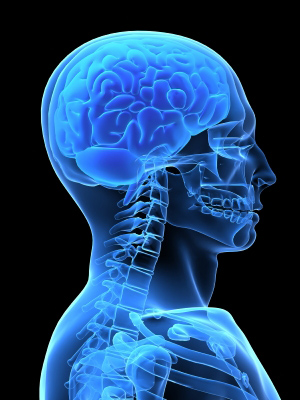
Brain Spotting is a novel therapeutic approach similar to Eye Movement Rapid Desensitization (EMDR) therapy utilized primarily for the treatment of trauma with or without a Post-Traumatic Stress Disorder (PTSD) diagnosis. Both approaches use bilateral stimulation which is a technique using alternating input to stimulate both brain hemispheres to activate memory reconsolidation and integration.
How Do EMDR and Brain Spotting Differ?
While both EMDR and Brain Spotting utilize bilateral stimulation, they have many differences.
While EMDR utilizes eye movement, Brain Spotting focuses on a single gaze to access memories while tracking sensations. The single gaze is meant to represent a “Brainspot” which is connected to a specific emotion or sensation.
Another major difference is structure. Brainspotting is not based on a structured protocol. Instead, it is client led and flexible unlike EMDR which is a structured 8-week protocol. Other differences of Brain Stimulation include but are not limited to the option for musical bilateral stimulation and the minimal to no speaking.
How to Choose Approach for Patients
The first consideration between choosing EMDR or Brain Spotting is client preference. The question begged is would the client prefer structure or flexibility. Anecdotally, it has been seen that Brain Spotting yields faster results than EMDR. However, EMDR is backed by more
evidence than Brain Spotting due to its earlier development. There is currently no set evidence that Brain Spotting works better than EMDR in certain disease states, but anecdotally it works better for patients suffering from disease states in which they feel as though they aren’t in control.
What Existing Data Says
There are very few studies focused on the comparison between EMDR and Brain Spotting. However, the one trial comparing them showed that although Brain Spotting is less evidence backed than EMDR, it is just as effective (D’ Antoni et al., 2022).
Conclusion
Brain Spotting is an interesting new therapeutic treatment option for trauma related events and illnesses. It has many similarities and differences to EMDR, which is a highly effective treatment. Future research is needed to determine the effectiveness and clinical application of Brain Spotting.
References
- D’Antoni F, Matiz A, Fabbro F, Crescentini C. Psychotherapeutic Techniques for Distressing Memories: A Comparative Study between EMDR, Brainspotting, and Body Scan Meditation. Int J Environ Res Public Health. 2022 Jan 20;19(3):1142. doi: 10.3390/ijerph19031142. PMID: 35162166; PMCID: PMC8835026.
- Arcara, K. (2025, August 27). Which is the best? Brainspotting therapy or EMDR. Arcara Personalized Psychiatry | Boston & Westborough, MA. https://arcarapsychiatry.com/brainspotting-vs-emdr/
- Groh, L. (2024, March 20). EMDR vs. Brainspotting: A Detailed Comparative Study. Shoresidetherapies.com; Shoreside Therapies.
https://shoresidetherapies.com/updates/emdr-vs-brainspotting-a-detailed-comparative-study

Dr.Kothari is amazing! She has been my doctor for years...
I have been a patient of Dr. Kothari for over three years. She has invested her heart...
Dr. Kothari has been seeing my sons for seven years. She is a wonderful resource...
Dr. Kothari is very caring. Appointments and waiting times are great...
When we started seeing Dr. Kothari, my son was dealing with a great...
Dr. Kothari has saved my life, this I can say without reservation...
 Patient Forms
 Videos
 Location