Menu
Menu





How Mental Health Conditions Contribute to Disability Worldwide and What People Should Know?
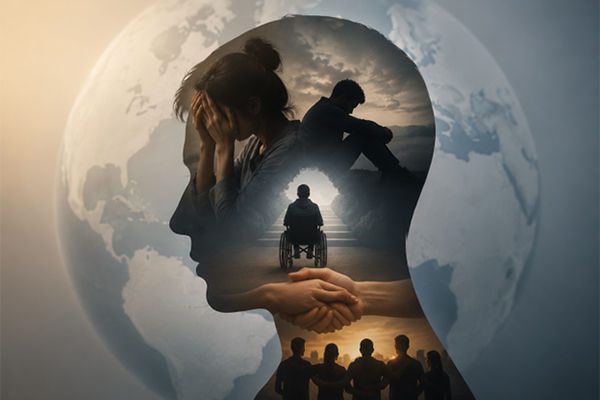
Mental health conditions are a leading contributor to disability globally. According to the World Health Organization (WHO), conditions such as depression, anxiety, bipolar disorder, and schizophrenia account for a substantial portion of years lived with disability (YLDs). Mental disorders affect more than 1 billion people worldwide, and their impact extends far beyond individual health, affecting work, education, social participation, and overall quality of life.
What Does This Mean?
Mental health conditions can be debilitating not just physically, but socially and economically. Disability from mental disorders often stems from prolonged symptoms, functional impairment, and the lack of timely treatment. Without intervention, children, adolescents, and adults may face challenges in school, at work, and in their personal lives, which can persist over time and become more difficult to manage.
Common Ways Mental Health Conditions Affect Daily Life
1. Reduced Work and Academic Performance
Difficulty concentrating, fatigue, and emotional challenges can lower productivity.
2. Social and Relationship Challenges
Anxiety, depression, or behavioral symptoms can interfere with friendships and family relationships.
3. Limited Daily Functioning
Everyday tasks and responsibilities may feel overwhelming.
4. Physical Health Consequences
Mental health conditions are often linked with sleep problems, poor appetite, and increased risk of chronic illness.
5. Emotional Strain
Persistent mental health conditions can affect self-esteem, motivation, and coping ability.
Why This Happens
Several factors contribute to the high disability burden:
- High Prevalence and Early Onset
Many conditions begin in childhood or adolescence, and untreated symptoms persist into adulthood. - Delayed or Inadequate Care
Treatment gaps mean symptoms can worsen or become chronic. - Stigma and Social Barriers
Cultural misconceptions and social stigma prevent timely care. - Complex Health Systems
Fragmented services can delay or restrict access to effective support.
How This Affects Society
When mental health conditions are widespread and under-treated, the effects ripple across communities:
- Increased caregiver burden
- Higher economic costs due to lost productivity
- Greater reliance on social and health services
- Reduced community participation
When to Seek Help From a Specialist
Consider professional support if:
- Symptoms interfere with daily activities, school, or work
- Emotional or behavioral changes are persistent
- Stress, anxiety, or depressive symptoms are worsening
Strategies and Support Options
- Early Intervention
Identifying and addressing mental health issues early can reduce disability. - Access to Evidence-Based Treatments
Psychological therapies, counseling, and medication where appropriate. - Community and Telehealth Services
Expands reach, particularly for underserved populations. - Education and Awareness
Reducing stigma and increasing knowledge helps more people seek care. - Integrated Care Models
Combining mental health care with primary health services improves accessibility and outcomes.
With early recognition, access to care, and supportive interventions, individuals can manage symptoms, reduce functional impairment, and improve quality of life.
About Dr. Priti Kothari
Dr. Priti Kothari is a board-certified child, adolescent, and adult psychiatrist in Boca Raton. She specializes in ADHD, autism, anxiety, depression, PTSD, and related conditions. Dr. Kothari works with individuals and families to provide timely, effective care that improves functioning and overall well-being.
Frequently Asked Questions
Why do mental health conditions cause disability?
They can affect emotional, social, and cognitive functioning, interfering with daily life.
Can treatment reduce disability?
Yes, early and evidence-based interventions can significantly improve functioning.
What can families do to support a loved one?
Encourage early evaluation, access resources, and provide emotional support.
References

Dr.Kothari is amazing! She has been my doctor for years...
I have been a patient of Dr. Kothari for over three years. She has invested her heart...
Dr. Kothari has been seeing my sons for seven years. She is a wonderful resource...
Dr. Kothari is very caring. Appointments and waiting times are great...
When we started seeing Dr. Kothari, my son was dealing with a great...
Dr. Kothari has saved my life, this I can say without reservation...
 Patient Forms
 Videos
 Location