Menu
Menu





Sensory Processing Differences in Autism: How They Affect Daily Functioning Across the Lifespan
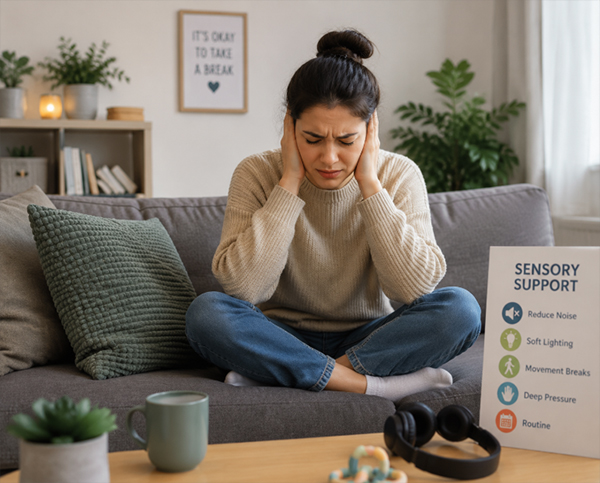
Sensory processing differences are a core feature of autism and can significantly influence how individuals experience and interact with the world. These differences affect how the brain interprets sensory input such as sound, light, touch, taste, smell, and movement. Understanding sensory processing across the lifespan is essential for supporting daily functioning, emotional regulation, and overall quality of life.
Sensory processing in autism can vary widely between individuals. Some may experience hypersensitivity, where everyday sensory input feels overwhelming or intense, while others may experience hyposensitivity, where there is reduced awareness of sensory stimuli. These differences are not static and can change over time, depending on environment, stress levels, and developmental stage.
One key area impacted is daily functioning. Individuals who are hypersensitive to sensory input may struggle in environments with loud noises, bright lights, strong smells, or crowded spaces. These settings can lead to sensory overload, resulting in anxiety, withdrawal, or behavioral distress. On the other hand, those with hyposensitivity may seek additional sensory input through movement, touch, or repetitive behaviors to regulate their sensory system.
In childhood, sensory processing differences often become noticeable in school settings. Children may have difficulty tolerating classroom noise, clothing textures, or transitions between activities. These sensitivities can affect attention, learning, and peer interactions. Early identification and sensory-informed strategies can greatly improve classroom participation and emotional comfort.
During adolescence, sensory challenges may continue to influence social participation and independence. Teenagers may become more aware of their differences, which can impact self-esteem and social confidence. Managing sensory needs in school, extracurricular activities, and public spaces becomes increasingly important during this developmental stage.
In adulthood, sensory processing differences can affect workplace performance, relationships, and independent living. Adults may choose environments carefully to reduce sensory overload or develop coping strategies such as noise-canceling headphones, structured routines, or controlled environments. Sensory challenges may also influence career choices and daily lifestyle decisions.
Across the lifespan, sensory processing differences can impact emotional regulation. Overstimulation may lead to stress, fatigue, or emotional dysregulation, while understimulation may result in restlessness or difficulty focusing. Understanding personal sensory profiles helps individuals develop effective coping strategies and improve self-regulation.
Support strategies play a critical role in improving outcomes. Sensory integration therapy, occupational therapy, environmental modifications, and individualized coping tools can help individuals manage sensory challenges. Simple adjustments such as reducing noise, adjusting lighting, or providing sensory breaks can significantly improve comfort and functioning.
In conclusion, sensory processing differences in autism affect daily life in meaningful and varied ways across childhood, adolescence, and adulthood. Recognizing these differences and providing appropriate supports can improve emotional regulation, independence, learning, and overall well-being. A sensory-informed approach allows individuals with autism to better navigate their environments and thrive across all stages of life.

Dr.Kothari is amazing! She has been my doctor for years...
I have been a patient of Dr. Kothari for over three years. She has invested her heart...
Dr. Kothari has been seeing my sons for seven years. She is a wonderful resource...
Dr. Kothari is very caring. Appointments and waiting times are great...
When we started seeing Dr. Kothari, my son was dealing with a great...
Dr. Kothari has saved my life, this I can say without reservation...
 Patient Forms
 Videos
 Location