Menu
Menu





Children’s Mental Health and Cultural Identity: Helping Kids Feel Seen, Supported, and Confident
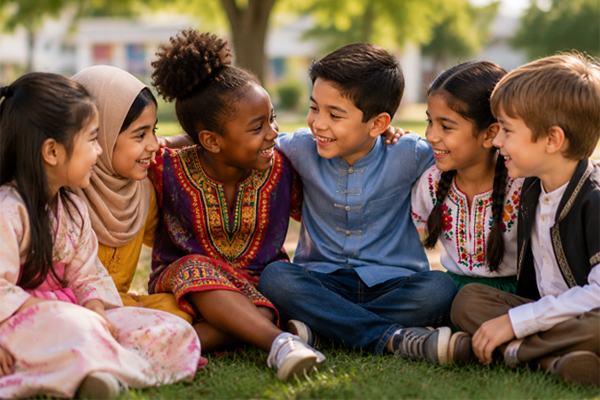
Children develop their sense of self through family, relationships, community, and cultural experiences. A positive connection to their identity can help children build confidence, emotional strength, and a sense of belonging.
For children from diverse backgrounds, cultural identity can influence how they understand themselves and connect with others. Feeling accepted and supported can strengthen emotional well-being, while experiences such as feeling different, misunderstood, or excluded may affect confidence and self-esteem.
Supporting children’s cultural identity helps them feel valued while developing the skills needed to navigate different environments with confidence.
What Does This Mean?
Cultural identity refers to the experiences, traditions, values, language, family history, and communities that influence how children understand themselves. Developing a healthy sense of identity is an important part of emotional growth.
Children learn about their identity through family interactions, friendships, schools, and communities. When children feel respected and supported, they are more likely to develop confidence, resilience, and a positive view of themselves.
A strong connection to identity can also help children feel secure while learning how to appreciate and respect differences in others.
Common Ways Cultural Identity Supports Children’s Mental Health
Building Confidence and Self-Esteem
Understanding and appreciating their background can help children develop a stronger sense of confidence. Learning about family traditions, values, and personal experiences allows children to recognize that their identity is an important part of who they are.
Positive messages about a child’s background can help them develop a healthier self-image and feel comfortable expressing themselves.
Creating a Sense of Belonging
Feeling connected to family, culture, and community provides children with emotional support. A sense of belonging helps children feel accepted and understood.
Strong connections with supportive family members, friends, and communities can provide encouragement during stressful or challenging situations.
Helping Children Navigate Differences
Children may notice differences between themselves and others, including language, traditions, appearance, or family experiences. Without support, these differences may sometimes lead to feelings of isolation or uncertainty.
Teaching children that differences are valuable can help them develop acceptance, confidence, and respect for others.
Supporting Emotional Expression
Culture can influence how children and families communicate emotions. Some children may openly discuss feelings, while others may express emotions through actions or changes in behavior.
Encouraging children to talk about their experiences and emotions helps them develop self-awareness and communicate their needs.
Strengthening Resilience During Challenges
Children may face challenges related to identity, belonging, or feeling misunderstood. A strong connection to their culture and supportive relationships can help children manage these experiences.
When children understand their strengths and feel supported, they can develop greater confidence in handling challenges.
Encouraging Respect and Empathy
Learning about their own culture can help children understand and appreciate the experiences of others. Exposure to different perspectives encourages empathy, communication, and positive relationships.
How This Affects Daily Life
Supporting children’s cultural identity can help promote:
- Greater confidence and self-esteem
- Stronger emotional awareness
- Improved sense of belonging
- Better communication skills
- Increased resilience during challenges
- Healthier relationships with others
Children who feel accepted and supported are better prepared to navigate different environments while maintaining confidence in who they are.
Strategies and Support Options
Encourage Open Conversations About Identity:
Parents can create safe opportunities for children to discuss their background, experiences, questions, and feelings. Open communication helps children feel comfortable exploring their identity.
Celebrate Cultural Traditions:
Sharing family stories, participating in traditions, and learning about cultural history can help children develop pride and connection.
Validate Children’s Experiences:
Children may experience situations where they feel different or misunderstood. Listening to their concerns and acknowledging their feelings helps them feel supported.
Teach Inclusion and Respect:
Helping children understand and appreciate different cultures encourages empathy and positive interactions with others.
Create Supportive Environments at Home and School:
Children benefit when families, educators, and communities create spaces where differences are respected and valued.
Encourage Positive Self-Talk:
Helping children recognize their strengths and challenge negative thoughts can improve confidence. Encouraging children to view their identity as a strength supports emotional well-being.
Seek Professional Support When Needed:
Some children may experience emotional challenges related to stress, identity concerns, discrimination, anxiety, or changes in their environment. Mental health professionals can provide guidance and individualized support.
In Conclusion
Cultural identity plays an important role in children’s emotional development and mental health. When children feel seen, respected, and supported, they are more likely to develop confidence, resilience, and a strong sense of belonging.
By celebrating children’s backgrounds, encouraging open conversations, and creating supportive environments, parents and caregivers can help children build a positive sense of self and develop the emotional skills needed to thrive.
About Dr. Priti Kothari
Dr. Priti Kothari is a board-certified child, adolescent, and adult psychiatrist in Boca Raton. She specializes in ADHD, anxiety, executive functioning challenges, and child mental health, helping children and families develop practical strategies for emotional regulation, coping skills, and improved daily functioning.
Frequently Asked Questions
Why is cultural identity important for children’s mental health?
Cultural identity can help children develop confidence, belonging, and a stronger understanding of themselves and their experiences.
How can parents support a child’s cultural identity?
Parents can support children by celebrating traditions, sharing family experiences, encouraging conversations, and creating a safe environment for self-expression.
Can feeling different affect a child’s emotional health?
Yes. Feeling misunderstood or excluded may affect confidence and emotional well-being. Supportive relationships can help children manage these experiences.
How can schools support children from diverse backgrounds?
Schools can promote inclusion by respecting different cultures, encouraging positive relationships, and creating environments where children feel valued.
References

Dr.Kothari is amazing! She has been my doctor for years...
I have been a patient of Dr. Kothari for over three years. She has invested her heart...
Dr. Kothari has been seeing my sons for seven years. She is a wonderful resource...
Dr. Kothari is very caring. Appointments and waiting times are great...
When we started seeing Dr. Kothari, my son was dealing with a great...
Dr. Kothari has saved my life, this I can say without reservation...
 Patient Forms
 Videos
 Location