Menu






Let Them Try: Nurturing Independence Through Everyday Childhood Experiences
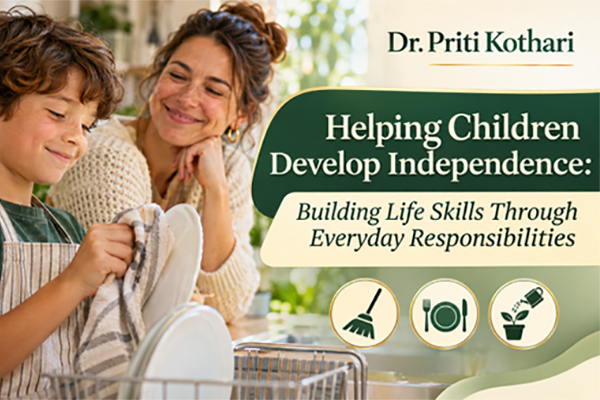
Independence grows when children make choices, practice skills, and contribute at home. Helping Children Develop Independence: Building Life Skills Through Everyday Responsibilities begins with a simple idea: children gain confidence when adults guide them without doing everything for them.
Why Everyday Responsibilities Matter
Age-appropriate tasks teach practical skills and strengthen planning, memory, problem-solving, and follow through. Putting toys away, dressing independently, setting the table, or packing a schoolbag helps children understand that their contributions matter. The American Psychological Association recommends opportunities to master skills and gradually assume responsibility.
Start Small and Match the Task
Choose responsibilities suited to your child’s developmental stage and abilities. A preschooler might put books in a basket; an elementary-school child may prepare a simple snack with supervision; a teenager can help plan a meal or manage a schedule. Demonstrate tasks, break them into steps, and allow practice. Safety comes first.
Encourage Effort, Not Perfection
Children may forget, spill, or need reminders. Resist taking over immediately. Offer guidance, acknowledge effort, and discuss what might help next time. Specific encouragement, like,“You remembered to put your shoes away”, helps children recognize progress. Avoid criticism or comparisons that turn learning into pressure.
Build Choice and Consistency
Offer limited choices, establish predictable routines, and agree on clear expectations. As skills improve, gradually reduce reminders and increase responsibility. If a child struggles, adjust the task rather than interpreting difficulty as unwillingness. Children with developmental, learning, or attention differences may benefit from visual checklists, extra time, or individualized support.
A Foundation for Lifelong Confidence
Independence does not mean doing everything alone; it also means knowing when to ask for help. With encouragement, everyday responsibilities teach competence, resilience, and belonging.
Dr. Priti Kothari encourages families to view routines as opportunities for growth. Small steps today can help children become capable, confident, thoughtful adults.

Dr.Kothari is amazing! She has been my doctor for years...
I have been a patient of Dr. Kothari for over three years. She has invested her heart...
Dr. Kothari has been seeing my sons for seven years. She is a wonderful resource...
Dr. Kothari is very caring. Appointments and waiting times are great...
When we started seeing Dr. Kothari, my son was dealing with a great...
Dr. Kothari has saved my life, this I can say without reservation...
 Patient Forms
 Videos
 Location