Menu
Menu





How Unresolved Childhood Stress Influences Behavior
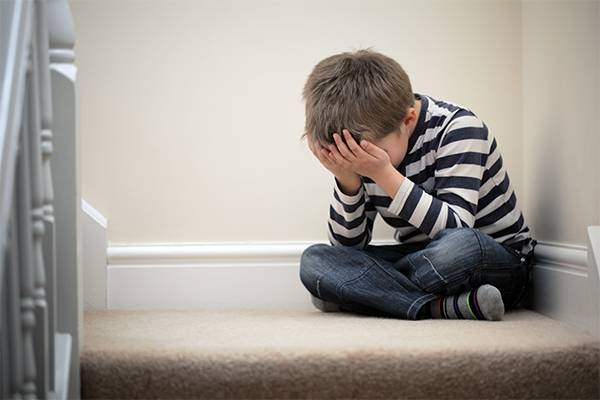
Stress is a normal part of life, and both children and adults experience it in response to everyday challenges and difficult situations. However, when stress becomes chronic or overwhelming, it can significantly affect a child’s behavior, emotional well-being, and overall development.
Children may experience stress from many sources, including academic pressure, social difficulties, major life changes, bullying, or traumatic experiences. Because children are still developing emotionally, they may not always understand or express what they are feeling. Instead, stress often appears through changes in behavior.
Unresolved stress can lead to irritability, emotional outbursts, withdrawal, sleep problems, and difficulty concentrating. Some children may become unusually quiet and avoid social interaction, while others may display impulsivity, aggression, or difficulty following instructions. These behaviors are often signs of internal emotional distress rather than intentional misbehavior.
Long-term stress can also affect how a child’s brain and nervous system respond to everyday situations. Children who remain under prolonged stress may become more sensitive to challenges, react strongly to small frustrations, or struggle with emotional regulation. Over time, unresolved stress can negatively impact relationships, academic performance, and self-confidence.
Recognizing the signs of stress early is important. Parents can support children by creating safe spaces for open communication, validating their emotions, and helping them develop healthy coping strategies. Activities such as consistent routines, relaxation techniques, physical activity, and quality family time can help reduce stress and improve emotional balance.
Professional support may also be helpful when stress significantly affects daily functioning. Counseling, therapy, or behavioral support can help children process difficult emotions and build resilience. Early intervention can often prevent emotional difficulties from becoming more severe over time.
In conclusion, unresolved childhood stress can strongly influence emotions, behavior, and overall development. With understanding, support, and healthy coping strategies, children can learn to manage stress effectively and develop greater emotional strength and resilience.

Dr.Kothari is amazing! She has been my doctor for years...
I have been a patient of Dr. Kothari for over three years. She has invested her heart...
Dr. Kothari has been seeing my sons for seven years. She is a wonderful resource...
Dr. Kothari is very caring. Appointments and waiting times are great...
When we started seeing Dr. Kothari, my son was dealing with a great...
Dr. Kothari has saved my life, this I can say without reservation...
 Patient Forms
 Videos
 Location