Menu
Menu





Mindfulness and Self-Care Techniques for Managing Stress in High-Demand Communities
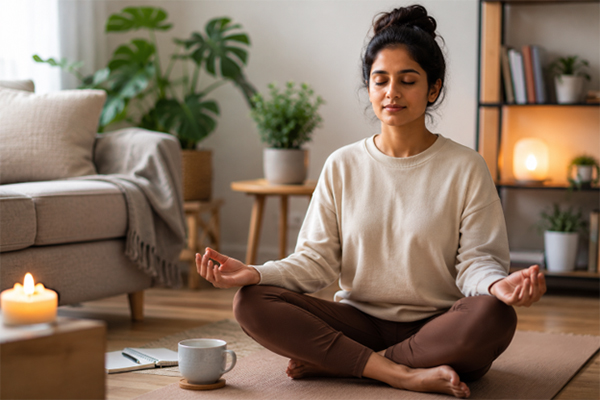
Living and working in high-demand communities—whether in healthcare, education, social services, or other fast-paced environments—can create significant stress. Individuals in these settings often balance heavy responsibilities, high expectations, and emotional labor, which can lead to burnout, anxiety, and decreased overall well-being. Implementing mindfulness and self-care techniques is essential for sustaining health, productivity, and resilience in these demanding contexts.
What Does This Mean?
Mindfulness is the practice of intentionally bringing attention to the present moment without judgment. Self-care involves conscious actions taken to maintain mental, emotional, and physical health. Together, these approaches can help individuals manage stress, improve focus, and foster emotional stability.
Common Mindfulness and Self-Care Techniques
1. Mindful Breathing
Taking a few minutes to focus on deep, controlled breathing can reduce stress hormones and improve clarity. Techniques such as box breathing or diaphragmatic breathing are effective for quick mental resets.
2. Body Scan Meditation
A body scan involves paying attention to physical sensations throughout the body, helping to release tension and increase awareness of stress responses.
3. Scheduled Breaks
Even short, deliberate breaks during work can prevent cumulative stress. Stepping away from tasks, stretching, or moving outside can help reset mental and emotional energy.
4. Journaling or Reflection
Writing about experiences, emotions, or challenges can provide perspective, identify patterns of stress, and support emotional processing.
5. Physical Activity
Regular movement, including walking, yoga, or light exercise, helps reduce tension, improve mood, and support overall health.
6. Setting Boundaries
Being clear about limits—such as work hours or responsibilities—helps prevent overcommitment and preserves energy for essential tasks.
7. Social Support
Connecting with colleagues, friends, or support networks provides emotional validation, problem-solving assistance, and stress relief.
8. Mindful Digital Practices
Limiting constant notifications and setting intentional screen time helps reduce information overload and mental clutter.
How This Affects Daily Life
Incorporating mindfulness and self-care practices can improve emotional regulation, reduce anxiety, and increase resilience.
Individuals may notice:
- Enhanced focus and decision-making ability
- Reduced physical and mental fatigue
- Improved emotional responses to challenging situations
- Greater satisfaction and balance in personal and professional life
Strategies and Support Options
- Mindfulness Training Programs: Many organizations offer workshops, apps, or online resources tailored for stress management.
- Self-Care Planning: Create a daily or weekly plan that incorporates multiple self-care activities to ensure consistency.
- Professional Support: Mental health professionals can provide strategies for coping with high-demand environments, including therapy or coaching.
- Peer Accountability: Encouraging colleagues to practice mindfulness or self-care together can reinforce habits and provide mutual support.
In conclusion
High-demand environments present unique stress challenges, but mindfulness and self-care strategies offer practical, evidence-based ways to maintain mental, emotional, and physical well-being. By intentionally integrating these practices, individuals can enhance resilience, improve performance, and sustain health over time.
About Dr. Priti Kothari
Dr. Priti Kothari is a board-certified child, adolescent, and adult psychiatrist in Boca Raton. She specializes in ADHD, stress management, and executive function challenges, supporting individuals and communities in developing practical strategies for improved daily functioning and emotional well-being.
Frequently Asked Questions
Can mindfulness replace professional therapy?
No, but it complements therapy and other professional interventions to improve stress management and resilience.
How long before mindfulness and self-care show benefits?
Many individuals notice improvements in focus, mood, and stress within a few weeks of consistent practice.
Are these techniques suitable for all high-demand professionals?
Yes, these strategies can be tailored for various roles, environments, and schedules to improve daily functioning.
References

Dr.Kothari is amazing! She has been my doctor for years...
I have been a patient of Dr. Kothari for over three years. She has invested her heart...
Dr. Kothari has been seeing my sons for seven years. She is a wonderful resource...
Dr. Kothari is very caring. Appointments and waiting times are great...
When we started seeing Dr. Kothari, my son was dealing with a great...
Dr. Kothari has saved my life, this I can say without reservation...
 Patient Forms
 Videos
 Location