Menu
Menu





Cultural Differences in Mental Health: Helping Families Understand and Support Children’s Emotional Needs
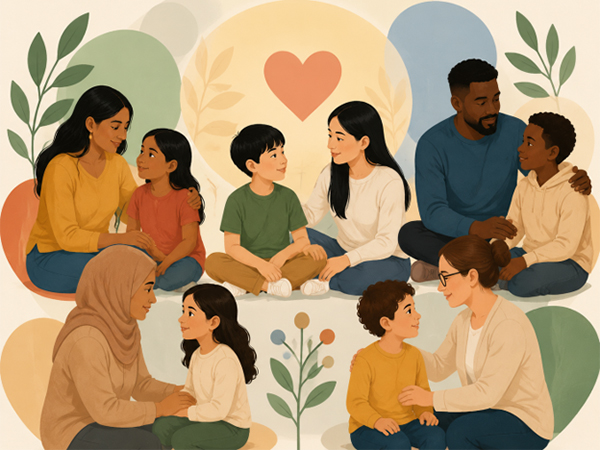
Children’s mental health is influenced by many factors, including genetics, environment, relationships, life experiences, and cultural background. Culture can shape how children and families understand emotions, communicate concerns, and approach mental health support. Recognizing these differences is an important part of creating supportive environments where children feel respected, understood, and encouraged to express their needs.
Families from different cultural backgrounds may have unique perspectives about emotional health, parenting, behavior, and seeking professional support. These differences do not mean that one approach is right or wrong. Instead, understanding a family’s values and experiences can help parents, educators, and healthcare providers create more effective ways to support children’s emotional well-being.
Cultural differences can influence how families recognize mental health concerns. Some families may openly discuss emotions and seek support when challenges arise, while others may be more hesitant due to stigma, personal beliefs, or concerns about how mental health challenges are viewed within their communities. These factors can affect when and how families seek help for their children.
Mental health challenges such as anxiety, depression, attention difficulties, and emotional regulation concerns can affect children from all backgrounds. However, the way symptoms are understood and expressed may vary. For example, one family may recognize frequent sadness as a sign that a child needs support, while another family may first notice changes in behavior, school performance, or physical complaints. Understanding these differences allows families and professionals to look at the whole picture of a child’s experience.
Communication plays an important role in supporting children’s mental health. Families may have different ways of expressing emotions, discussing challenges, or responding to difficult situations. Some children may openly talk about their feelings, while others may communicate through changes in behavior, withdrawal, frustration, or difficulty concentrating. Helping children develop the language to describe their emotions can make it easier for them to receive the support they need.
Mental health stigma can be a significant barrier for some families. Concerns about judgment, misunderstanding, or social consequences may prevent parents from seeking professional guidance. Some families may worry that asking for help means they have failed as caregivers or that their child will be labeled negatively. In reality, seeking mental health support is a proactive step that can help children develop coping skills, emotional awareness, and confidence.
Culturally responsive mental health care focuses on understanding each child and family as individuals. Healthcare providers consider a family’s background, values, communication style, and experiences when developing treatment approaches. This helps create stronger relationships between families and providers and allows care plans to be more meaningful and effective.
Children’s sense of identity and belonging can also influence emotional well-being. Feeling connected to family, culture, community, and personal experiences can support confidence and resilience. On the other hand, children who feel misunderstood, excluded, or pressured to hide important parts of themselves may experience additional emotional stress.
Parents can support children’s mental health by creating an environment where feelings can be discussed openly. Encouraging children to talk about worries, frustrations, and successes helps them understand that emotions are a normal part of life. Children benefit when they know they can ask questions, share concerns, and receive support without fear of criticism.
Families can also help children build confidence by recognizing their strengths and individual experiences. Every child has unique abilities, interests, and challenges. Focusing on strengths while providing support for difficulties can help children develop a healthier sense of self and greater emotional resilience.
Schools and communities also play an important role in supporting children from diverse backgrounds. Inclusive environments that respect different cultures and experiences can help children feel accepted and connected. Teachers and caregivers who understand cultural differences can provide more effective guidance and create stronger partnerships with families.
When mental health concerns affect a child’s daily functioning, professional support may be beneficial. Some children may benefit from therapy, behavioral interventions, family support, school accommodations, or medication when recommended by a qualified healthcare provider. A thoughtful approach that considers both the child’s needs and family background can help create effective support strategies.
Supporting children’s mental health requires understanding, compassion, and collaboration. Cultural differences should not prevent families from accessing care or discussing emotional challenges. Instead, recognizing these differences can help create stronger connections and more personalized support for children.
In conclusion, culture plays an important role in how families understand and approach children’s mental health. By respecting different perspectives, reducing stigma, encouraging open communication, and providing culturally responsive care, families and professionals can help children feel supported and understood. When children receive guidance that recognizes their unique experiences, they can develop stronger emotional skills, confidence, and resilience throughout their lives.

Dr.Kothari is amazing! She has been my doctor for years...
I have been a patient of Dr. Kothari for over three years. She has invested her heart...
Dr. Kothari has been seeing my sons for seven years. She is a wonderful resource...
Dr. Kothari is very caring. Appointments and waiting times are great...
When we started seeing Dr. Kothari, my son was dealing with a great...
Dr. Kothari has saved my life, this I can say without reservation...
 Patient Forms
 Videos
 Location