Menu
Menu





Recognizing Narcissistic and Emotional Abuse in Relationships and Its Long-Term Impact
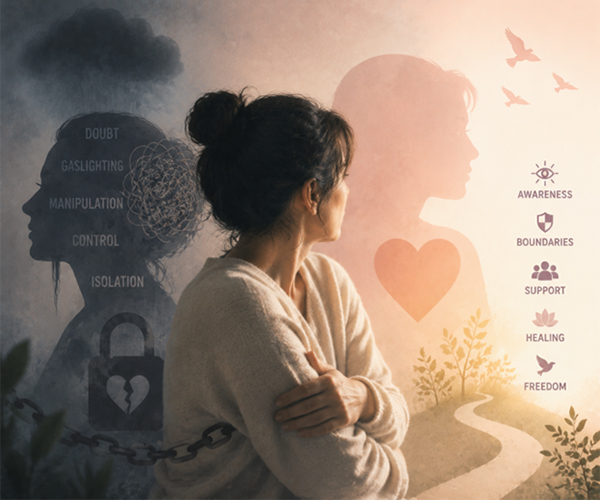
Narcissistic and emotional abuse in intimate or familial relationships is a pervasive issue that can profoundly affect a person’s mental health and daily functioning. While physical abuse often leaves visible marks, emotional abuse is more subtle, involving manipulation, gaslighting, controlling behaviors, and constant criticism. Recognizing these behaviors early is essential to protect well-being and access appropriate support.
Narcissistic abuse can include patterns such as minimizing the victim’s experiences, isolating them from friends and family, enforcing control over daily decisions, and using guilt or shame as a form of manipulation. Emotional abuse may also involve verbal attacks, threats, or chronic invalidation of thoughts and feelings. Over time, these behaviors can erode self-esteem, increase anxiety, and lead to long-term psychological consequences, including depression and post-traumatic stress.
The rise in social isolation and stressors during events such as the COVID-19 pandemic has made victims more vulnerable. Lockdowns and increased time spent at home with abusers contributed to a spike in emotional abuse cases globally. Survivors reported heightened control from abusers, intensified gaslighting, and greater difficulties reaching out for help. These patterns highlight the critical importance of awareness and intervention.
Many victims face challenges in seeking support. Emotional abuse can be hidden and difficult to articulate, leaving survivors uncertain about whether their experiences constitute abuse. Social stigma, fear of judgment, and lack of awareness about available resources may further delay help-seeking. Advocacy, education, and readily available resources are key to ensuring survivors can access safety and support.
Recognizing these challenges, numerous organizations provide specialized services for survivors. In the United States, the National Domestic Violence Hotline offers 24/7 confidential support, safety planning, and information about local shelters. Survivors can call 1-800-799-SAFE (7233) or text LOVEIS to 22522 to reach trained advocates. Many services also provide live chat, multilingual support, and information on counseling, legal aid, and temporary housing. For those outside the U.S., international agencies, such as UN Women, maintain updated resources for local support.
Mental health support is a vital component of recovery. Counseling, trauma-informed therapy, support groups, and crisis text lines can help survivors process their experiences, rebuild self-esteem, and develop coping strategies. Friends, family, and community members play a critical role in recognizing signs of abuse and providing safe, nonjudgmental support.
Long-term consequences of unaddressed narcissistic or emotional abuse include chronic anxiety, depression, difficulties in forming healthy relationships, and impaired daily functioning. Early recognition and access to support services allow survivors to recover, regain autonomy, and improve quality of life.
In conclusion, narcissistic and emotional abuse in relationships can have profound long-term effects on mental health and daily functioning. Awareness, education, and access to hotlines, shelters, counseling, and community support are essential for survivor safety, recovery, and empowerment. Recognizing abuse, understanding available resources, and taking proactive steps toward support can make a significant difference in the lives of those affected.

Dr.Kothari is amazing! She has been my doctor for years...
I have been a patient of Dr. Kothari for over three years. She has invested her heart...
Dr. Kothari has been seeing my sons for seven years. She is a wonderful resource...
Dr. Kothari is very caring. Appointments and waiting times are great...
When we started seeing Dr. Kothari, my son was dealing with a great...
Dr. Kothari has saved my life, this I can say without reservation...
 Patient Forms
 Videos
 Location