Menu
Menu





The Gut-Brain Connection and Mental Health: How Digestive Health May Influence Mood and Cognitive Function
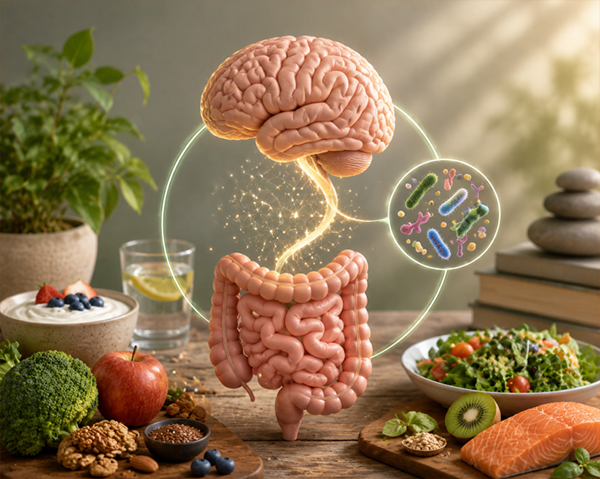
The relationship between the gut and the brain has become an important area of research in understanding overall health and well-being. While mental health is influenced by many factors, including genetics, environment, lifestyle, and life experiences, growing evidence suggests that the digestive system may also play a role in mood regulation, stress response, and cognitive functioning. Understanding the gut-brain connection can help individuals make informed choices about habits that support both physical and mental health.
The gut and brain communicate through a complex network known as the gut-brain axis. This connection involves the nervous system, immune system, hormones, and chemical messengers that allow communication between the digestive system and the brain. The gut contains trillions of microorganisms, collectively known as the gut microbiome, which may influence processes related to inflammation, stress response, and the production of certain neurotransmitters involved in mood regulation.
Research suggests that changes in gut health may be associated with mental health conditions such as anxiety and depression. Factors such as chronic stress, poor dietary patterns, lack of sleep, and certain medical conditions can influence the balance of bacteria in the gut. These changes may affect how the body responds to stress and may contribute to changes in mood, energy levels, and cognitive performance. However, the relationship is complex, and gut health is considered one factor among many that influence mental health.
Nutrition plays an important role in supporting both digestive and brain health. A balanced diet that includes fruits, vegetables, whole grains, lean proteins, healthy fats, and adequate fiber can support a healthy gut environment. Foods containing probiotics, such as certain fermented foods, and prebiotic foods that provide nutrients for beneficial bacteria may also contribute to digestive health. While nutrition alone does not treat mental health conditions, healthy eating habits can be an important part of overall wellness.
Stress can also affect the gut-brain connection. When the body experiences ongoing stress, it can influence digestion, appetite, and gut function. Some individuals may notice changes such as stomach discomfort, changes in bowel habits, or increased sensitivity during stressful periods. Learning stress management strategies, such as regular physical activity, relaxation techniques, adequate sleep, and emotional support, can benefit both mental and physical health.
Sleep is another important factor connecting digestive health and cognitive function. Poor sleep can affect appetite regulation, stress hormones, and overall body functioning. At the same time, digestive discomfort may interfere with restful sleep. Maintaining consistent sleep routines and addressing ongoing digestive concerns with healthcare professionals can support better overall health.
It is important to approach gut health and mental health with realistic expectations. While research on the gut-brain connection is promising, there is no single diet, supplement, or lifestyle change that can prevent or cure mental health conditions. Individuals experiencing symptoms of depression, anxiety, or other mental health concerns should seek guidance from qualified healthcare professionals for appropriate evaluation and treatment.
Supporting the gut-brain connection involves creating sustainable health habits. Eating a balanced diet, staying physically active, managing stress, getting enough sleep, and maintaining social connections all contribute to overall well-being. These lifestyle practices work alongside evidence-based mental health treatments when additional support is needed.
In conclusion, the gut-brain connection highlights the close relationship between physical and mental health. Digestive health may influence mood, stress responses, and cognitive functioning, but it is one part of a much broader picture. By focusing on balanced nutrition, healthy routines, and appropriate mental health care, individuals can support their overall well-being and build a stronger foundation for long-term health.

Dr.Kothari is amazing! She has been my doctor for years...
I have been a patient of Dr. Kothari for over three years. She has invested her heart...
Dr. Kothari has been seeing my sons for seven years. She is a wonderful resource...
Dr. Kothari is very caring. Appointments and waiting times are great...
When we started seeing Dr. Kothari, my son was dealing with a great...
Dr. Kothari has saved my life, this I can say without reservation...
 Patient Forms
 Videos
 Location