Menu
Menu





The Impact of Limited Pediatric Mental Health Resources on Children and Families
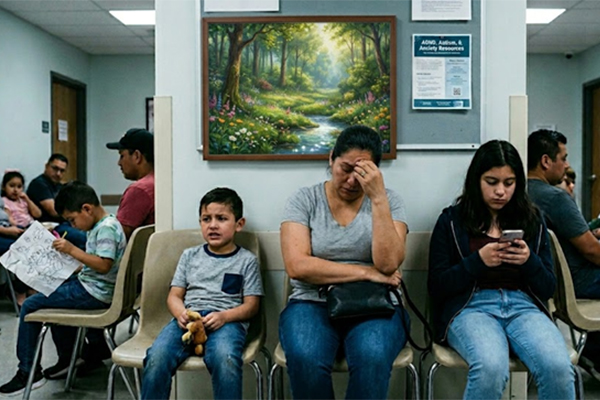
Access to pediatric mental health care is a critical component of child and adolescent well being. Despite growing awareness of conditions such as ADHD, autism spectrum disorder (ASD), Obsessive-Compulsive Disorder (OCD), anxiety, and depression, many children in the United States face significant challenges in receiving timely and effective care. Limited resources not only affect children’s mental health outcomes but also place strain on families who are navigating complex systems to obtain support.
One of the most pressing issues is the shortage of mental health professionals specializing in pediatric care. Child and adolescent psychiatrists, psychologists, and licensed therapists are in high demand but remain unevenly distributed across the country. Rural and underserved regions often have few qualified providers, resulting in long wait times for appointments and limited access to specialized services. Families may be forced to travel long distances or wait months for care, delaying early intervention that is crucial for optimal development.
Financial barriers also contribute to limited access. Even when families have insurance, high out-of-pocket costs, limited coverage, or narrow provider networks can make consistent treatment difficult to obtain. For many families, the combination of financial constraints and scarce provider availability creates an environment in which children’s mental health needs are not fully addressed.
The lack of available resources has direct consequences on children’s daily functioning. Untreated or inadequately managed mental health conditions can impact academic performance, social development, and emotional regulation. Children with ADHD may struggle with attention and behavior in the classroom, while those with autism or anxiety disorders may find social interactions particularly challenging. Delayed or inconsistent care can exacerbate these difficulties and affect long-term outcomes.
Families of children with limited access to mental health services often face additional stress. Parents and caregivers may take on the role of advocate, scheduler, and support provider, often without guidance or professional training. Siblings and other family members may experience indirect effects, including increased household stress and reduced time for family activities. The emotional burden of navigating these challenges can impact the entire family’s well being.
Addressing resource limitations requires multi-level solutions. Expanding the pediatric mental health workforce, increasing training programs for child specialists, and integrating mental health services into primary care and school settings can improve accessibility. Telehealth and virtual counseling services have also emerged as valuable tools to reach families in underserved areas.
Community awareness and advocacy are equally important. Educating parents, caregivers, and educators about early signs of mental health conditions and available resources can help families seek support more effectively. Reducing stigma around mental health care encourages earlier engagement and supports better outcomes.
In conclusion, limited pediatric mental health resources in the United States create significant challenges for children and families. Shortages of qualified providers, financial barriers, and regional disparities affect the ability of children to receive timely care, with impacts on education, social development, and emotional well being. Supporting children and families requires continued investment in workforce development, accessible care models, and community-based initiatives to ensure that every child can access the mental health support they need.

Dr.Kothari is amazing! She has been my doctor for years...
I have been a patient of Dr. Kothari for over three years. She has invested her heart...
Dr. Kothari has been seeing my sons for seven years. She is a wonderful resource...
Dr. Kothari is very caring. Appointments and waiting times are great...
When we started seeing Dr. Kothari, my son was dealing with a great...
Dr. Kothari has saved my life, this I can say without reservation...
 Patient Forms
 Videos
 Location