Menu
Menu





The Rise of Domestic Violence and Narcissistic Abuse Since COVID‑19 and Available Resources
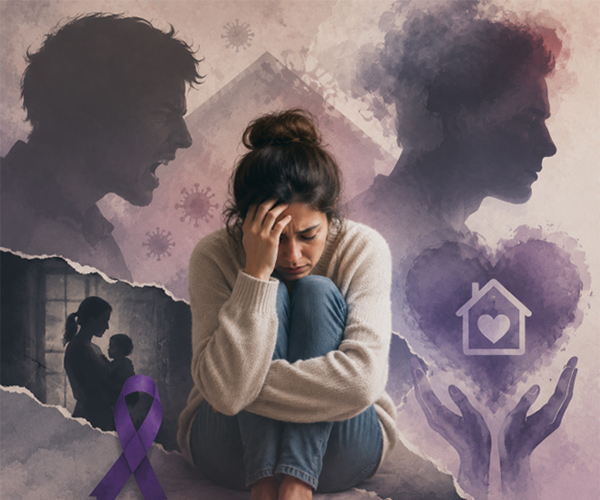
Domestic violence and narcissistic abuse have long been pervasive issues, but the COVID‑19 pandemic brought a significant increase in both. The stress of economic uncertainty, social isolation, stay‑at‑home orders, and disruption of normal routines contributed to greater risks for individuals in abusive relationships. For many survivors, home became less of a refuge and more of an unsafe place as lockdowns inadvertently trapped victims with their abusers.
During the height of the pandemic, reports from across the world — including in the United States and multiple countries — showed increases in domestic violence incidents, emergency calls, and hotline contacts when compared with pre‑pandemic years. In the U.S., analyses from police and criminal justice sources found increases in reported domestic violence incidents following pandemic lockdowns. Globally, restrictions on movement, limited access to support networks, and stressors such as job loss and financial strain heightened tensions in many households, which contributed to emotional, psychological, and physical abuse.
Narcissistic abuse — a form of emotional and psychological manipulation characterized by control, gaslighting, minimizing, and coercive tactics — also became more visible during this period. While less quantified than domestic violence statistics, survivors and advocates reported increased emotional abuse as abusers used isolation and fear of contagion to exert greater control. These patterns can have long‑term effects on survivors, including anxiety, depression, post‑traumatic stress, and diminished self‑worth.
The rise in violence was accompanied by new barriers in seeking help. Many abuse survivors found it harder to reach out for support due to constant proximity with their abusers, reduced access to in‑person services, and fear of COVID‑19 exposure. Some domestic violence shelters and support services faced operational challenges due to health precautions, limiting safe spaces for survivors.
Recognizing these challenges, numerous organizations expanded resources to support survivors. In the United States, the National Domestic Violence Hotline offers 24/7 confidential support, safety planning, and information on local shelters and services. Victims can call 1‑800‑799‑SAFE (7233) or text LOVEIS to 22522 to connect with trained advocates. Many services also provide live chat and multilingual support. Additionally, local crisis centers, shelters, and community programs continue to operate with safety protocols and can assist with temporary housing, legal advocacy, and counseling.
Shelters and safe housing play a critical role in survivor safety, offering a secure environment away from an abuser, access to case management, and connection to additional resources. Many communities also have local domestic violence coalitions that maintain updated lists of available shelters, support groups, and legal aid. For those outside the U.S., national and regional hotlines — such as those coordinated by UN Women and other international agencies — can connect survivors with local services.
Mental health support is another crucial component. Survivors of domestic and narcissistic abuse often experience emotional and psychological trauma. Counseling, trauma‑informed therapy, support groups, and crisis text lines (such as Crisis Text Line: Text HOME to 741741 in the U.S.) provide emotional support and coping strategies.
It’s also important for friends, family, and community members to recognize signs of abuse and know how to respond safely. Encouraging someone to reach out to a hotline, offering to help them plan a safe exit strategy, or simply listening without judgment can make a meaningful difference.
In conclusion, the COVID‑19 pandemic intensified domestic violence and narcissistic abuse for many survivors by increasing isolation, stress, and barriers to support. However, expanded hotlines, shelters, crisis services, and mental health resources remain available to help survivors find safety, healing, and empowerment. Recognizing abuse, understanding available resources, and supporting survivors in accessing these services are essential steps toward recovery and long‑term well‑being.

Dr.Kothari is amazing! She has been my doctor for years...
I have been a patient of Dr. Kothari for over three years. She has invested her heart...
Dr. Kothari has been seeing my sons for seven years. She is a wonderful resource...
Dr. Kothari is very caring. Appointments and waiting times are great...
When we started seeing Dr. Kothari, my son was dealing with a great...
Dr. Kothari has saved my life, this I can say without reservation...
 Patient Forms
 Videos
 Location