Menu
Menu





Sibling Relationships and Mental Health: Helping Children Build Stronger Family Connections
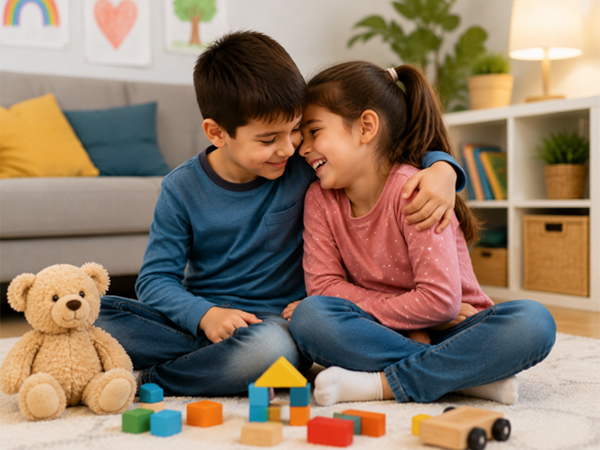
Sibling relationships are often among the longest and most influential relationships children experience. Brothers and sisters can provide companionship, emotional support, and opportunities to learn important social skills. At the same time, sibling relationships may also include disagreements, competition, jealousy, and frustration. Helping children develop healthy connections with siblings can support emotional well-being, communication skills, and overall family relationships.
For children with ADHD or other emotional and developmental challenges, sibling relationships may require additional support. Differences in attention needs, behavior, routines, or family responsibilities can sometimes create misunderstandings between siblings. Creating a supportive family environment can help children develop empathy, patience, and stronger connections with one another.
What Does This Mean?
Sibling relationships are an important part of a child’s social and emotional development. Through interactions with siblings, children practice sharing, cooperation, negotiation, problem-solving, and managing emotions.
Healthy sibling relationships do not mean children never disagree. Conflict is a normal part of growing up and can provide opportunities for children to learn communication and emotional regulation skills. The goal is to help children understand differences, resolve disagreements respectfully, and build positive connections.
Children may experience challenges in sibling relationships when they feel overlooked, compared to others, or unsure of their role within the family. These feelings can be especially common when one child requires additional support due to ADHD, anxiety, learning differences, or other mental health concerns.
Common Ways Sibling Relationships Influence Children’s Mental Health
Providing Emotional Support and Connection
Positive sibling relationships can provide children with a sense of companionship and belonging. Siblings often share experiences, celebrate achievements, and provide comfort during difficult moments.
Having a supportive sibling relationship can help children feel connected and understood, which contributes to emotional well-being.
Developing Communication and Social Skills
Daily interactions between siblings create opportunities to practice important social skills. Children learn how to express their feelings, listen to others, compromise, and work through disagreements.
These skills can transfer to friendships, school interactions, and future relationships.
Learning Emotional Regulation Through Conflict
Sibling disagreements are common and can become learning opportunities. When children receive guidance from parents, they can practice calming down, expressing frustration appropriately, and finding solutions.
Learning how to manage disagreements helps children strengthen emotional regulation and problem-solving abilities.
Building Empathy and Understanding Differences
Every child has unique needs, personalities, and strengths. Sibling relationships can help children learn patience and empathy by understanding different perspectives.
For families with children who have ADHD or other developmental differences, siblings can learn that everyone may need different types of support while still being equally valued.
Supporting Confidence and Family Belonging
Feeling accepted within the family contributes to a child’s sense of security and self-worth. Positive sibling interactions can reinforce the idea that children are important members of the family.
Strong family connections can provide emotional stability during periods of stress or change.
How This Affects Daily Life
Healthy sibling relationships can support children by promoting:
- Improved communication skills
- Greater empathy and understanding
- Stronger emotional regulation
- Increased confidence and sense of belonging
- Better conflict-resolution skills
- More positive family interactions
When children feel supported within their family relationships, they may be better equipped to handle challenges in other areas of life.
Strategies and Support Options
Encourage Individual Attention for Each Child:
Spending one-on-one time with each child helps them feel valued and reduces feelings of competition for attention.
Avoid Comparisons Between Siblings:
Comparing children’s behaviors, abilities, or achievements can create resentment. Focusing on each child’s individual strengths promotes confidence and acceptance.
Teach Healthy Conflict Resolution:
Parents can help children identify feelings, communicate respectfully, and work toward solutions during disagreements.
Recognize Different Needs:
Children may require different levels of support depending on their age, personality, and developmental needs. Acknowledging these differences helps create fairness without treating every child exactly the same.
Create Positive Shared Experiences:
Family activities, cooperative games, and shared responsibilities can provide opportunities for siblings to connect and build positive memories.
Seek Professional Support When Needed:
If sibling conflicts become frequent, intense, or affect family functioning, mental health professionals can help families develop communication strategies and strengthen relationships.
In Conclusion
Sibling relationships can play an important role in children’s emotional development and mental health. While disagreements are a natural part of growing up, supportive guidance can help children develop stronger communication skills, empathy, and emotional resilience.
By encouraging understanding, avoiding comparisons, and creating opportunities for positive connection, parents can help siblings build healthier relationships. Strong family connections provide children with a foundation of support, belonging, and emotional security as they grow.
About Dr. Priti Kothari
Dr. Priti Kothari is a board-certified child, adolescent, and adult psychiatrist in Boca Raton. She specializes in ADHD, anxiety, executive functioning challenges, and child mental health, helping children and families develop practical strategies for emotional regulation, healthy relationships, and improved daily functioning.
Frequently Asked Questions
Is sibling conflict normal during childhood?
Yes. Disagreements between siblings are common and can help children learn communication, problem-solving, and emotional regulation skills when guided appropriately.
How can parents support siblings when one child has ADHD?
Parents can explain differences in needs, avoid comparisons, provide individual attention, and encourage empathy between siblings.
Can sibling relationships affect a child’s mental health?
Yes. Positive sibling relationships can support emotional well-being, while ongoing conflict or feelings of rejection may contribute to stress.
What should parents do if sibling conflicts become overwhelming?
Families can seek support from mental health professionals who can provide strategies for improving communication and strengthening relationships.
References

Dr.Kothari is amazing! She has been my doctor for years...
I have been a patient of Dr. Kothari for over three years. She has invested her heart...
Dr. Kothari has been seeing my sons for seven years. She is a wonderful resource...
Dr. Kothari is very caring. Appointments and waiting times are great...
When we started seeing Dr. Kothari, my son was dealing with a great...
Dr. Kothari has saved my life, this I can say without reservation...
 Patient Forms
 Videos
 Location