Menu
Menu





Sleep and Children’s Mental Health: How Rest Supports Attention, Mood, and Development
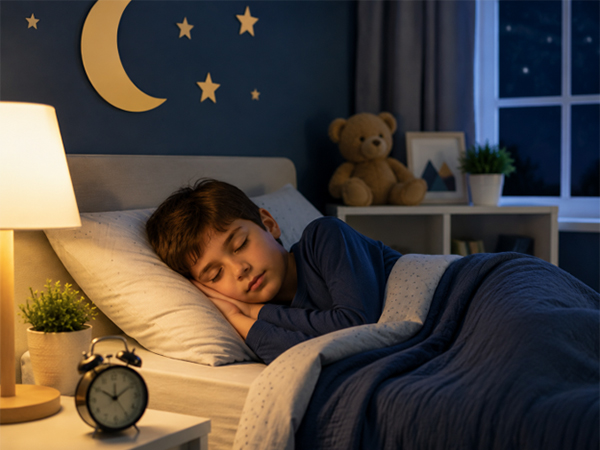
Sleep plays an essential role in children’s physical health, emotional well-being, learning, and overall development. During childhood, the brain continues to grow and develop important skills related to attention, memory, emotional regulation, and problem-solving. When children do not get enough quality sleep, it can affect mood, behavior, concentration, and the ability to manage daily challenges.
For children with ADHD, sleep can be especially important because attention regulation, impulse control, and emotional management may already require additional support. Establishing healthy sleep habits can help create a stronger foundation for children’s mental health and daily functioning.
What Does This Mean?
Sleep is a time when the brain processes information, strengthens memories, and restores energy. Children need adequate sleep to support healthy brain development and emotional balance. While sleep needs vary depending on age, consistent and restful sleep is important for children of all developmental stages.
Poor sleep does not cause ADHD, but sleep difficulties can sometimes worsen challenges related to attention, behavior, and emotional regulation. Some children with ADHD may have difficulty following bedtime routines, settling down at night, or maintaining consistent sleep patterns.
Understanding the connection between sleep and mental health helps parents recognize that rest is not just about preventing tiredness—it is an important part of supporting a child’s emotional and cognitive development.
Common Ways Sleep Supports Children’s Mental Health
Improving Attention and Focus
Adequate sleep helps children maintain attention, process information, and stay engaged during daily activities. When children are tired, they may have more difficulty concentrating, following instructions, or completing tasks.
For children with ADHD, consistent sleep routines can support their ability to manage attention challenges and participate more effectively in school, activities, and family routines.
Supporting Emotional Regulation
Sleep and emotional health are closely connected. Children who are tired may become more irritable, frustrated, or sensitive to stress. Lack of sleep can make it harder for children to pause, manage emotions, and respond calmly to challenges.
Healthy sleep habits can support children in developing better emotional control and coping skills.
Strengthening Learning and Memory
During sleep, the brain organizes and stores information learned throughout the day. Restful sleep supports memory, problem-solving, and learning abilities.
Children who regularly get sufficient sleep may find it easier to absorb new information, develop skills, and participate in academic activities.
Supporting Physical and Brain Development
Sleep contributes to important processes involved in growth, energy regulation, and brain maturation. Consistent rest allows children’s bodies and brains to recover and prepare for daily activities.
Healthy sleep patterns are part of a broader approach to supporting children’s overall development.
Reducing Daily Stress and Overwhelm
A well-rested child may have more capacity to handle transitions, responsibilities, and social interactions. Sleep can influence how children respond to challenges and adapt to changes in their environment.
How This Affects Daily Life
Healthy sleep habits can support children by promoting:
- Improved attention and concentration
- Better emotional regulation
- Increased ability to manage stress
- Stronger memory and learning skills
- More consistent energy throughout the day
- Improved behavior and daily functioning
When children get the rest they need, they are better prepared to engage with learning, relationships, and everyday experiences.
Strategies and Support Options
Create a Consistent Sleep Routine:
A predictable bedtime routine helps signal to children that it is time to slow down and prepare for sleep. Consistent wake-up and bedtime schedules can support healthy sleep patterns.
Create a Sleep-Friendly Environment:
A comfortable, quiet, and calming bedroom environment can make it easier for children to relax. Reducing distractions and keeping the sleep space associated with rest can be helpful.
Limit Screen Exposure Before Bed:
Screens close to bedtime may interfere with sleep routines for some children. Creating a technology-free period before sleep can support relaxation and better rest.
Encourage Healthy Daytime Habits:
Regular physical activity, balanced nutrition, and exposure to natural light during the day can contribute to healthier sleep patterns.
Seek Professional Support When Needed:
If sleep difficulties are persistent or significantly affect mood, attention, or daily functioning, parents can discuss concerns with pediatricians or mental health professionals. Sleep challenges may sometimes be related to ADHD, anxiety, medical conditions, or other factors requiring evaluation.
In Conclusion
Sleep is a critical part of children’s mental health and development. Quality rest supports attention, emotional regulation, learning, and the ability to manage daily challenges. For children with ADHD or other mental health concerns, establishing healthy sleep habits can be an important part of a comprehensive support plan.
By creating consistent routines, encouraging healthy habits, and addressing ongoing sleep concerns early, parents can help children develop the foundation they need for healthy growth, emotional well-being, and long-term success.
About Dr. Priti Kothari
Dr. Priti Kothari is a board-certified child, adolescent, and adult psychiatrist in Boca Raton. She specializes in ADHD, anxiety, executive functioning challenges, and child mental health, helping children and families develop practical strategies for emotional regulation, healthy routines, and improved daily functioning.
Frequently Asked Questions
How much sleep do children need?
Sleep needs vary by age, but children generally require more sleep than adults to support growth, learning, and emotional development.
Can lack of sleep make ADHD symptoms worse?
Yes. Poor sleep does not cause ADHD, but insufficient rest may make challenges related to attention, impulsivity, and emotional regulation more noticeable.
What can parents do if a child struggles with bedtime?
Creating consistent routines, reducing evening stimulation, and making bedtime predictable can help. Persistent difficulties should be discussed with a healthcare professional.
Can improving sleep replace ADHD treatment?
No. Healthy sleep habits can support overall well-being but should complement, not replace, evidence-based ADHD treatments and professional guidance.
References

Dr.Kothari is amazing! She has been my doctor for years...
I have been a patient of Dr. Kothari for over three years. She has invested her heart...
Dr. Kothari has been seeing my sons for seven years. She is a wonderful resource...
Dr. Kothari is very caring. Appointments and waiting times are great...
When we started seeing Dr. Kothari, my son was dealing with a great...
Dr. Kothari has saved my life, this I can say without reservation...
 Patient Forms
 Videos
 Location