Menu
Menu





Suicide Prevention: Understanding the Importance of Connection, Support, and Early Help
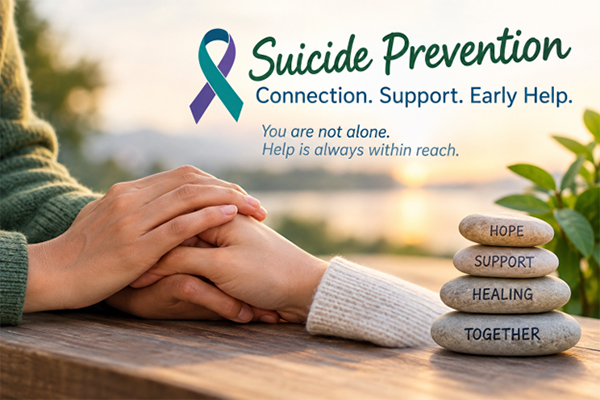
Suicide prevention begins with understanding that emotional pain can affect anyone, regardless of age, background, or life circumstances. Many individuals who experience suicidal thoughts are often facing overwhelming distress, hopelessness, or a sense of isolation. During Suicide Prevention Month, mental health organizations around the world work to increase awareness, encourage conversations, and remind individuals that seeking help is an important step toward healing. Creating a supportive environment where people feel heard and understood can play an important role in prevention.
Why Is Open Communication Important in Suicide Prevention?
Talking about mental health challenges can sometimes feel difficult because of fear, stigma, or misunderstanding. However, compassionate conversations can help individuals feel less alone and more connected to available support. Changes such as withdrawing from loved ones, expressing feelings of hopelessness, significant changes in mood, or talking about feeling like a burden may indicate that someone is struggling and may need additional support.
Suicide prevention is not about having one perfect conversation or finding a single solution. It involves listening without judgment, showing care, encouraging professional support, and helping individuals stay connected with people who can provide assistance. Mental health professionals can help assess concerns, provide appropriate treatment, and support individuals through difficult periods.
How Can Families and Communities Support Mental Health?
Families, friends, schools, and communities all play an important role in creating environments where people feel valued and supported. Small actions, such as checking in regularly, listening with empathy, and encouraging conversations about emotions, can make a meaningful difference. Mental health challenges are treatable, and early support can help individuals develop coping strategies and regain a sense of hope.
Suicide prevention requires compassion, awareness, and a commitment to reducing stigma around mental health. Supporting someone does not require having all the answers; sometimes, simply being present and helping a person connect with professional care can be an important step. By creating spaces where people feel safe to share their struggles, we can help build stronger and more supportive communities.
Reference:
1. National Alliance on Mental Illness (NAMI). Suicide Prevention Month.
https://www.nami.org/stay-connected/events/awareness-events/suicide-prevention-month/
2. Substance Abuse and Mental Health Services Administration (SAMHSA). Suicide Prevention Month.
https://www.samhsa.gov/about/digital-toolkits/suicide-prevention-month
3. National Institute of Mental Health (NIMH). Suicide Prevention Resources.
https://www.nimh.nih.gov/get-involved/digital-shareables/shareable-resources-on-suicide-prevention

Dr.Kothari is amazing! She has been my doctor for years...
I have been a patient of Dr. Kothari for over three years. She has invested her heart...
Dr. Kothari has been seeing my sons for seven years. She is a wonderful resource...
Dr. Kothari is very caring. Appointments and waiting times are great...
When we started seeing Dr. Kothari, my son was dealing with a great...
Dr. Kothari has saved my life, this I can say without reservation...
 Patient Forms
 Videos
 Location